


Alignment, Awareness, & Union
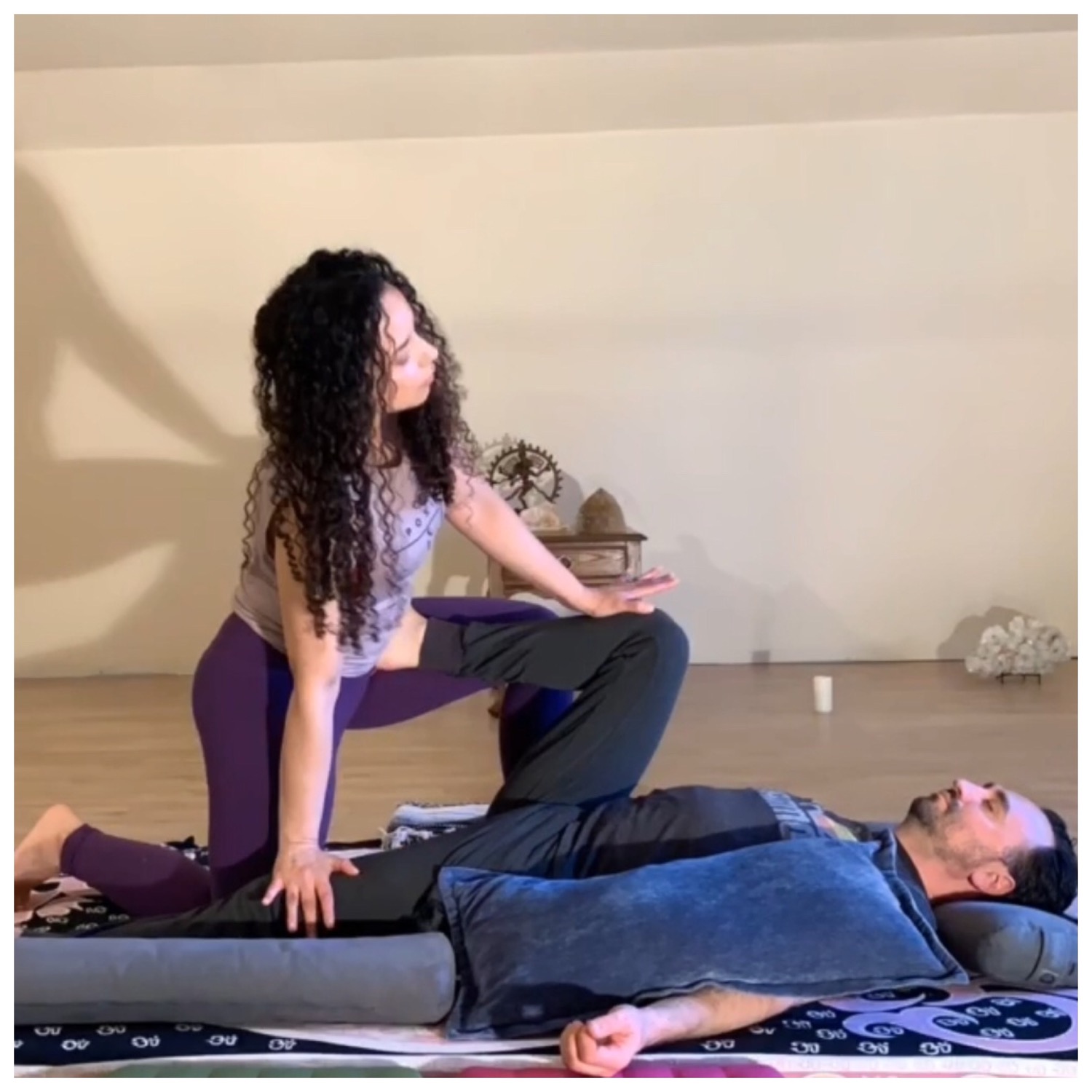
Most people think alignment is about making poses look better. I don't think that's the point at all. The deeper purpose of alignment is awareness. Yoga was never simply about creating shapes with the body. It was a method for training attention, cultivating presence, and ultimately understanding oneself. Modern conversations about alignment usually stop at biomechanics. Some go a little deeper and talk about nervous system regulation, mindfulness, or concentration.
The word yoga itself comes from the Sanskrit root yuj; meaning to yoke, to join, or to unite.
If union is the destination, then union with WHAT? Your higher self? The Divine spark of your soul? The inner gnosis that only comes from experience? I guess it depends on how far you take it.
In a yoga class we often begin alignment with Drishti, what we yogis know as the gazing point. This is the baby beginning of training your eye to stay on one focal point. The inner eye and the outer eye are learning to stay and remain steady in concert with each other, because there is always the macro and microcosm occurring in parallel paradox, endlessly.
Then there are the physical shapes themselves. We spend years learning where the foot goes, how the spine organizes, how weight distributes, and how the body expresses a pose. Many practitioners become obsessed with these external geometries. The asana shapes become worshipped and revered, the body pushed to it's limits as the postures become more extreme. We endlessly contort ourselves in the quest for aesthetic perfection and if we are not careful, we can mistake this doorway for a destination.
Every time we step onto the mat we are given an opportunity to observe the patterns living within us. The places where we force. The places where we avoid. The places where we seek pleasure. The places where we resist discomfort. The places where we abandon ourselves. In yoga philosophy these patterns are described as samskaras and vrittis—the grooves of conditioning that shape how we experience life. The practice is not asking us to eliminate them, it is asking us to see them.
Often things will become uncomfortable. Many people believe when they achieve silence they will instantly find peace and happiness. Yet what rises into awareness is whatever was already there. We see the grief, fear, or restlessness. The old stories and identities we have built around our suffering. The patterns we have been choosing over and over again. Sometimes there is discomfort and shame for not taking good care of ourselves when a yoga class straight up hurts the body to endure.
Many people will not come back for a second class. They will say they are just not flexible. Others will become obsessed with increasingly advanced poses, mistaking intensity for depth. Chasing heat, flexibility, sensation, achievement, and the temporary euphoria that comes from pushing the body to its limits. Some spend years staring at their reflection without ever turning their attention inward. A practice that is rooted in sensation, competition, and achievement; never fully reveals the finer limbs of yoga. Some people don't realize they are using intensity, flexibility, heat, entertainment, or advanced poses to avoid deeper self-inquiry.
After some time with your daily practice you begin to experience how if you train your body and breath to do certain things, there are unexpected benefits to your mind and wellbeing. You begin to realize that if you are focused for an hour on your breath, you have not spent that hour agonizing over the so called suffering within your life. You begin to learn that the mind cannot think two thoughts at once and your practice becomes more mentally stimulating and refreshing as you awaken to this truth.
Alignment is not simply about where your foot goes or how straight your posture looks.
It is a vehicle for learning about yourself. Through daily practice we begin observing the vrittis, the samskaras, the habits, reactions, fears, and unconscious patterns living inside of us. If you stay present long enough, the practice begins revealing you to yourself. And that may be the most valuable thing it offers. After all, how we behave on our yoga mat is a direct reflection of how we handle things within life.
At some point movement stops being exercise and becomes ritual. We begin paying great attention to how we stand, how we breathe, how we react, and where we habitually collapse or compensate. We begin noticing the places where we are impatient, distracted, forceful, fearful, or disconnected. We finally stop running away and wee begin arranging the body, breath, and mind with intention. We begin building real endurance in our ability to maintain a focus.
You should study with many teachers. Perfect a method and learn all it's tricks. Practice many styles. But eventually the journey will become deeply personal. At some point you begin really sit with yourself and learn how to listen. A guru might show you this door, but they cannot walk the path for you. The more deeply rooted you become in your own practice, the more clearly you will begin to recognize what is true for your body, your mind, your energy, and your life.
Yoga is not sacred because of the poses.
Poses won't make you more spiritual.
A yoga practice can become sacred when you use it as a a mirror for how you behave in life.
Through the body we gain control of the breath.
Through the breath we observe the mind.
Through discipline we encounter and overcome our resistance.
Through stillness begin to relax and trust deeply.
Perfect alignment was never an end, it was just a shiny carrot to get you on your mat.

with LOVE,
Aja


Comments